
Your vehicle’s engine is the heart of your car, and when something goes wrong, the warning signs often appear long before a complete breakdown occurs. Unfortunately, many drivers ignore early symptoms, assuming the problem will go away on its own. In reality, delaying professional engine service can turn a minor issue into a major repair.
This guide covers the most important warning signs of engine trouble every driver should know, explains what they mean, and highlights why prompt professional inspection is the safest and most cost-effective solution.
Why Early Engine Warning Signs Should Never Be Ignored
Modern engines are complex systems made up of hundreds of components working together. When one part fails, it often impacts others quickly.
Ignoring early engine trouble can lead to:
- Sudden vehicle breakdowns
- Expensive engine repairs or replacements
- Reduced fuel efficiency
- Safety risks while driving
- Permanent engine damage
Recognizing the signs early and scheduling professional engine diagnostics can save thousands of dollars and extend your vehicle’s lifespan.
Check Engine Light: The Most Common Warning Sign
The check engine light is often the first indicator that something is wrong. While it may seem minor, this light can signal a wide range of issues.
What It Could Mean:
- Faulty oxygen sensor
- Loose or damaged gas cap
- Engine misfire
- Emissions system failure
- Sensor or ignition issues
Even if your car seems to drive normally, a check engine light should always be evaluated by a professional mechanic using advanced diagnostic tools.
Unusual Engine Noises You Should Never Ignore
Engines are designed to run smoothly and quietly. Any unusual noise is often a sign of internal trouble.
Common Engine Sounds That Signal Problems:
- Knocking or pinging: Possible ignition or fuel issues
- Grinding: Worn bearings or internal engine damage
- Hissing: Vacuum leaks or overheating
- Squealing: Belt or pulley problems
These sounds usually worsen over time, making early professional inspection critical.
Decreased Fuel Efficiency
If you notice you’re filling up your gas tank more often than usual, engine trouble could be the cause.
Possible Reasons:
- Dirty fuel injectors
- Faulty sensors
- Engine misfires
- Poor air-fuel mixture
Professional engine service can restore efficiency, saving you money at the pump while preventing further wear.
Excessive Exhaust Smoke or Unusual Smells
Your vehicle’s exhaust can reveal a lot about engine health.
Different Smoke Colors Mean Different Issues:
- Blue smoke: Oil burning in the engine
- White smoke: Coolant leak or head gasket issue
- Black smoke: Too much fuel is burning
Strange smells, such as burning oil or sweet odors, also indicate engine problems that require immediate professional attention.

Engine Overheating or Rising Temperature Gauge
An overheating engine is one of the most dangerous warning signs and should never be ignored.
Common Causes of Overheating:
- Low coolant levels
- Radiator issues
- Thermostat failure
- Water pump malfunction
Driving with an overheating engine can cause warped components, blown head gaskets, and permanent damage. A professional mechanic can diagnose and repair cooling system issues before they escalate.
Rough Idling or Stalling
If your car shakes while idling or stalls unexpectedly, your engine may not be receiving proper fuel, air, or spark.
Potential Causes:
- Dirty throttle body
- Failing spark plugs
- Vacuum leaks
- Sensor malfunctions
These issues affect engine stability and safety, making professional diagnostics essential.
Loss of Power or Sluggish Acceleration
When your engine struggles to accelerate or feels weak, it’s a clear sign that something isn’t functioning correctly.
Possible Issues Include:
- Clogged fuel filters
- Transmission-related engine strain
- Air intake problems
- Ignition system failures
Professional engine tuning and repairs restore power and prevent further damage.
Vibrations While Driving
Unusual vibrations, especially when accelerating, can indicate internal engine imbalance or worn components.
Causes May Include:
- Engine misfires
- Damaged motor mounts
- Crankshaft or piston issues
Ignoring vibrations can lead to structural damage and increased repair costs over time.
Burning Oil or Frequent Oil Top-Offs
If your engine consumes oil faster than normal, it could be a sign of internal wear.
Warning Signs Include:
- Oil warning light
- Burning oil smell
- Oil spots under your vehicle
Professional inspection can determine whether seals, gaskets, or internal components need repair before major engine failure occurs.
Why Professional Engine Diagnostics Are Essential
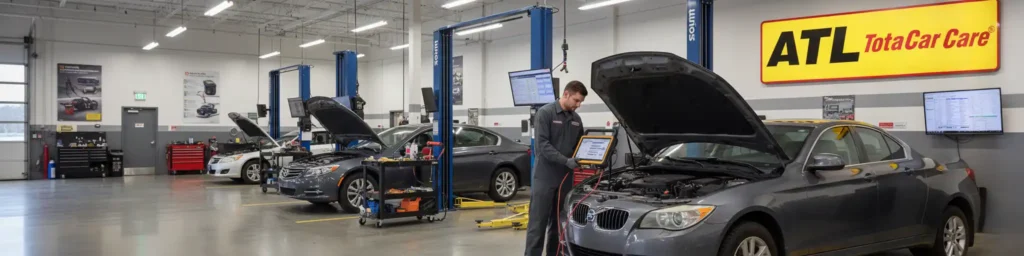
Modern vehicles rely on computerized systems that require specialized diagnostic equipment. Guesswork or delayed service often leads to misdiagnosis and higher repair costs.
Professional Engine Services Provide:
- Accurate computer diagnostics
- Certified technicians
- Manufacturer-approved repair methods
- Long-term engine protection
- Warranty-backed repairs
Trusting professionals ensures the root cause is fixed, not just the symptoms.
How Ignoring Engine Trouble Increases Repair Costs
Minor engine issues often start small but worsen rapidly if left unchecked.
What Starts Small Can Become:
- Sensor replacement → Engine rebuild
- Coolant leak → Head gasket failure
- Misfire → Catalytic converter damage
Routine professional service prevents these costly escalations and protects your investment.
When to Schedule Engine Service Immediately
You should contact a professional auto service provider if you experience:
- A flashing check engine light
- Persistent engine noises
- Overheating
- Smoke or strong odors
- Sudden loss of power
Prompt action improves safety and prevents breakdowns.
Call to Action: Protect Your Engine with Professional Care
Your engine gives warning signs for a reason; listening to them can save you from unexpected breakdowns and expensive repairs. Professional engine diagnostics and repair services ensure your vehicle stays reliable, efficient, and safe on the road.
If you notice any signs of engine trouble, schedule a professional inspection as soon as possible. Early action keeps small issues from becoming major problems and helps your engine perform at its best for years to come.