
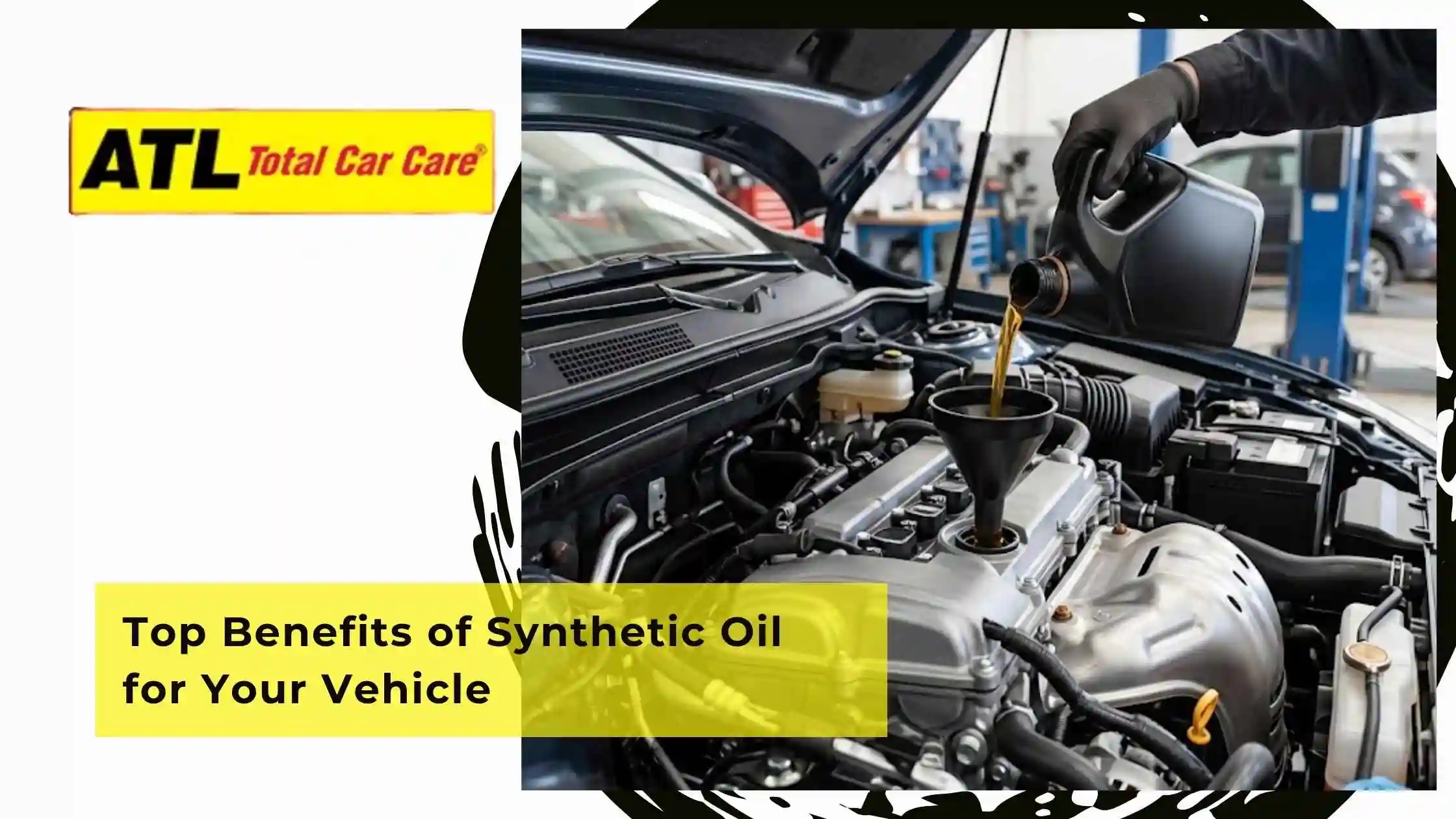
Routine oil changes remain one of the most important services for long-term vehicle performance, and many drivers are moving toward full synthetic oil for added engine protection and consistency. Modern engines operate under higher temperatures and tighter tolerances than older designs, making oil quality increasingly important for daily reliability.
Full synthetic oil is engineered to provide more consistent lubrication, stronger resistance to breakdown, and better performance under demanding driving conditions compared with conventional oil. Professional full oil change services help ensure the correct oil specification, filtration, and maintenance schedule are used for your vehicle.
Better Engine Protection During Daily Driving
Your engine contains moving components operating under constant heat and friction.
One of the biggest advantages of oil is its ability to maintain a protective film between these components.
Benefits may include:
- Reduced friction between moving parts
- More stable lubrication under load
- Improved protection during stop-and-go driving
- Better support for modern engine designs
Oil is designed to maintain protective performance longer under stress conditions compared with conventional formulations.
Improved Performance in High and Low Temperatures
Temperature changes place significant demands on engine oil.
Synthetic oil is engineered to flow more consistently across temperature ranges.
Faster Cold-Start Lubrication
Cold starts are one of the periods where engine wear can occur most rapidly because oil has not fully circulated.
Stronger Heat Resistance
Synthetic formulations are designed to resist thinning and oxidation under higher operating temperatures.
This makes synthetic oil especially useful for drivers who experience heavy traffic, longer commutes, towing, or demanding operating conditions.

Job Story: Solving Repeated Maintenance Concerns Through Routine Synthetic Oil Service
A vehicle owner regularly drove in heavy city traffic and noticed declining engine smoothness between maintenance visits.
Although no major mechanical issues were found, technicians recommended reviewing maintenance intervals and upgrading to a full synthetic oil service that matched manufacturer requirements.
Following routine service and consistent maintenance scheduling, the owner reported smoother operation and improved confidence during daily driving.
This reflects an important point: engine performance is influenced not only by repairs but also by preventive maintenance choices. Professional oil service ensures both the correct lubricant and installation process are followed.
Cleaner Engine Operation Over Time
Oil does more than lubricate.
It also helps manage deposits and contamination generated during normal engine operation.
Synthetic oil is formulated to:
Resist Sludge Formation
Higher resistance to oxidation can help reduce deposit buildup.
Maintain Cleaner Internal Components
Fewer impurities may support cleaner engine conditions.
Preserve Consistent Viscosity
Oil performance remains more stable across service intervals.
Cleaner operation supports long-term engine efficiency and performance consistency.
Longer Service Capability Does Not Mean Skipping Maintenance
Drivers often associate synthetic oil with extended service intervals.
While many synthetic oils are engineered to last longer, oil change timing should always follow manufacturer recommendations.
Maintenance schedules depend on:
- Vehicle design
- Driving conditions
- Climate
- Oil specification requirements
- Manufacturer guidance
Professional technicians evaluate these factors instead of relying on generic mileage rules. Some modern vehicles may allow longer intervals depending on manufacturer requirements.
Professional Advantage: Why Oil Changes Are More Than Replacing Oil
Oil service involves more than draining and refilling.
Professional full synthetic oil changes commonly include:
Correct Oil Specification Selection
Matching manufacturer requirements.
Filter Replacement
Supporting cleaner oil circulation.
System Inspection
Checking for visible maintenance concerns.
Service Tracking
Helping maintain recommended intervals.
Professional maintenance helps reduce errors that can occur from incorrect oil grades or overlooked service items.
Is Synthetic Oil Right for Every Vehicle?
Not every vehicle requires full synthetic oil.
The best choice depends on:
- Manufacturer recommendations
- Engine design
- Driving conditions
- Vehicle age
- Maintenance history
Some experts caution that premium oil upgrades should align with the vehicle manufacturer’s requirements rather than assumptions. Always follow your owner’s manual or technician guidance.

FAQ
Is synthetic oil better than conventional oil?
Synthetic oil generally provides improved temperature stability, cleaner operation, and stronger resistance to breakdown, depending on vehicle requirements.
Does synthetic oil improve engine life?
Consistent maintenance with the correct oil specification helps support long-term engine protection.
Can older vehicles use synthetic oil?
Some can, but the correct recommendation depends on manufacturer guidance and vehicle condition.
How often should synthetic oil be changed?
Always follow the interval recommended in your owner’s manual and service provider guidance.
Schedule Your Next Oil Service
If your vehicle is due for maintenance, a professional full synthetic oil change can help support smoother operation, cleaner performance, and long-term engine protection.
Book your next service appointment and keep your vehicle performing at its best.