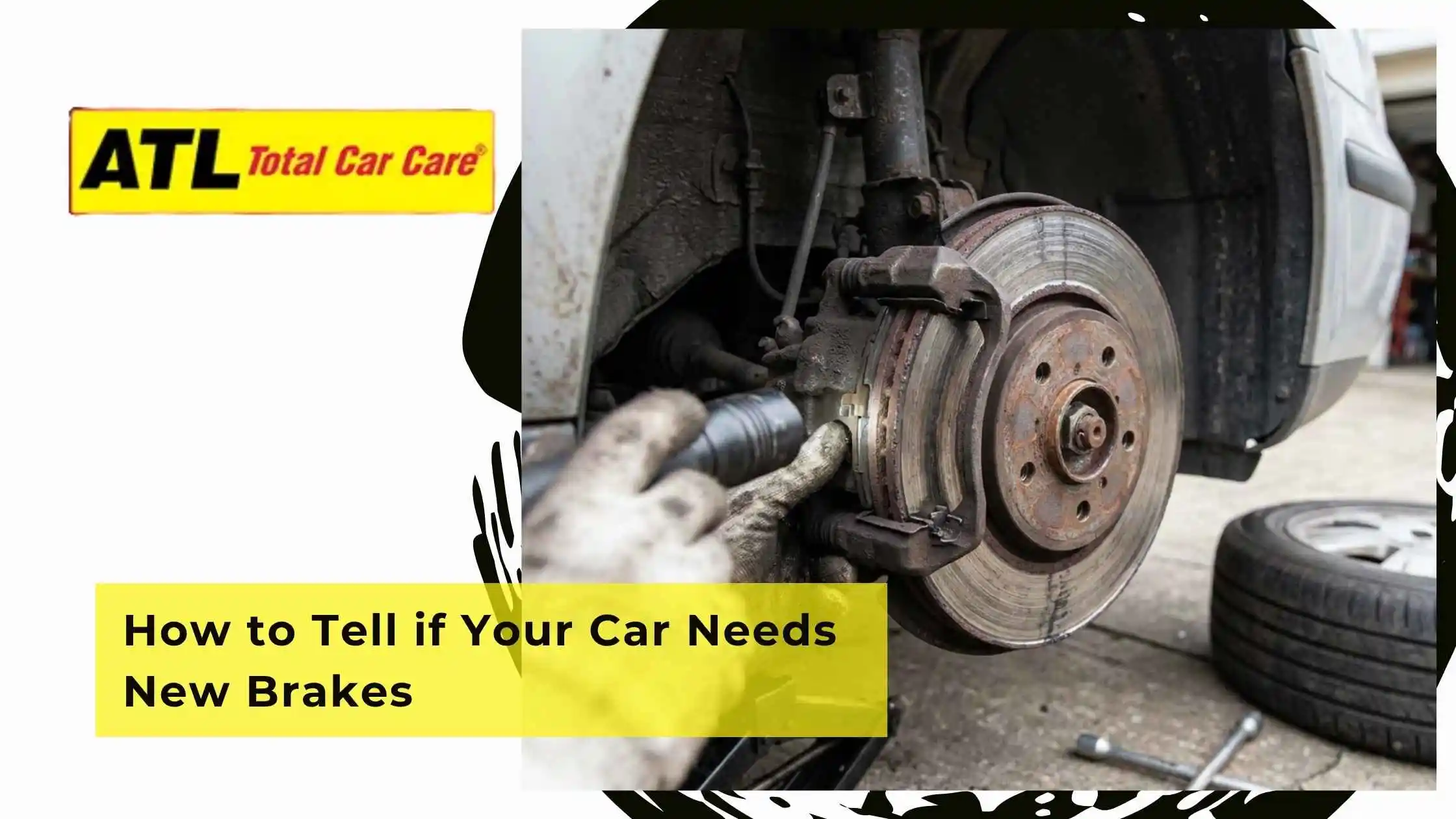
Your car’s brakes are among its most important safety features. Whether you are commuting through Murfreesboro, driving along Interstate 24, or navigating busy roads like Memorial Boulevard and Old Fort Parkway, you need a braking system that responds quickly and reliably. However, brake pads and other components gradually wear down through everyday use. Recognizing the warning signs early can help you determine when your vehicle needs New Brakes and prevent a minor maintenance issue from becoming a serious safety concern.
Many drivers wait until they hear loud grinding noises or experience noticeable changes in stopping performance before scheduling an inspection. Unfortunately, waiting too long can damage additional brake components and compromise vehicle control. Understanding what to look and listen for makes it easier to take action before your braking system becomes unsafe.
1. Listen for Persistent Squealing or Grinding Noises
One of the earliest signs that your car may need new brake pads is a high-pitched squealing sound when you press the brake pedal. Many New Brakes pads include wear indicators designed to create this noise as the friction material becomes thin. It is a warning that the pads should be inspected and may need replacement.
Occasional squeaking can sometimes result from moisture or a thin layer of surface rust on the rotors, particularly after rain or overnight parking. However, persistent noise should never be ignored.
Grinding is a more serious warning. It can indicate that the brake pads have worn down far enough for metal components to contact the rotors. Continued driving in this condition can damage the rotor surfaces and affect stopping performance. If you hear grinding when braking, arrange an immediate professional New Brakes inspection. Avoid driving the vehicle if braking performance is compromised.
2. Notice Longer Stopping Distances
Does your vehicle take longer than usual to stop when approaching a traffic light or slowing down in traffic? Reduced braking performance can indicate worn pads, rotor problems, contaminated brake fluid, or another issue within the New Brakes system.
In Murfreesboro, frequent stops along Medical Center Parkway, Old Fort Parkway, and other busy routes put repeated demands on your brakes. Over time, this stop-and-go driving can generate heat and accelerate component wear.
Longer stopping distances are particularly dangerous in heavy traffic, at intersections, and on wet roads. If you notice that your car is not stopping as quickly as it normally does, have the entire braking system checked instead of assuming that replacing the pads alone will solve the problem.
3. Feel Vibrations When Applying the Brakes
A vibrating or pulsing brake pedal is another sign that your vehicle needs attention. You may also notice shaking through the steering wheel when slowing down from higher speeds.
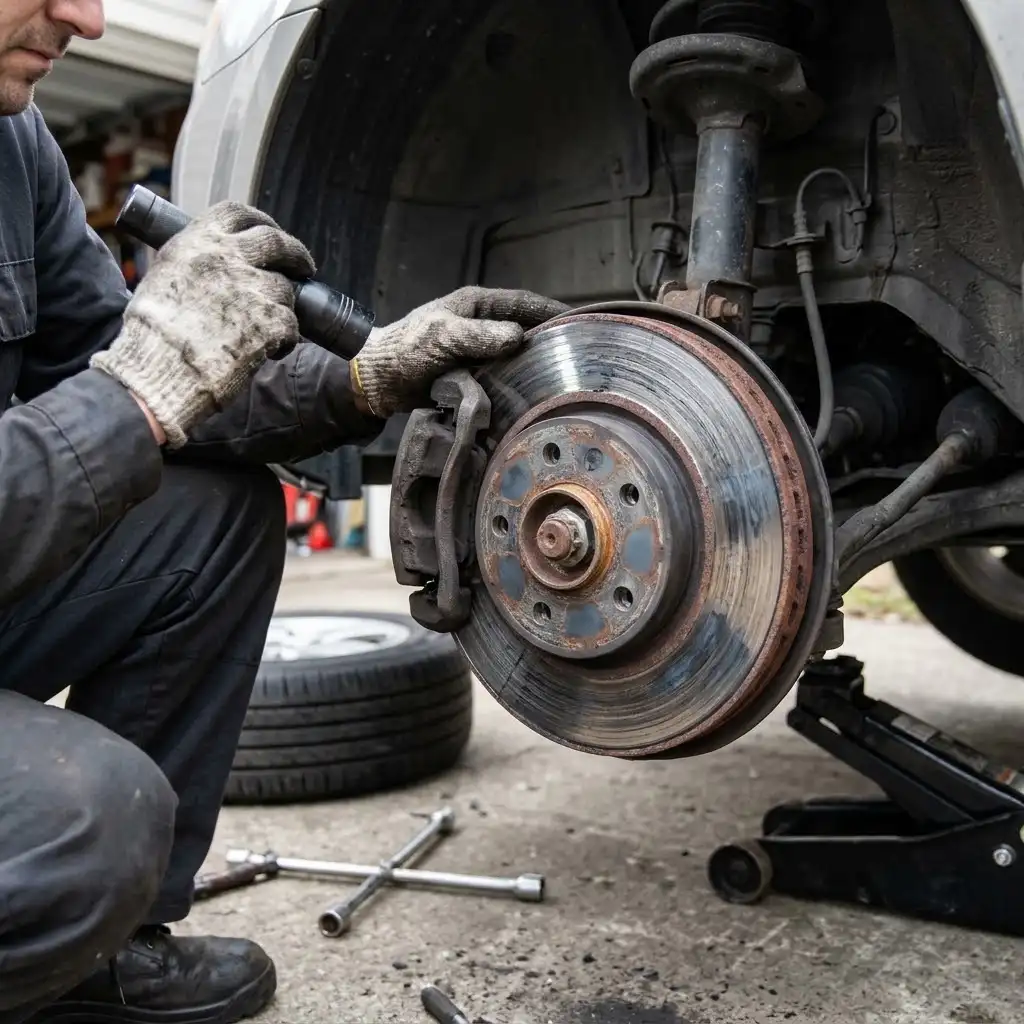
These symptoms can be associated with uneven rotor surfaces, excessive heat, or rotor warping. Rotors provide the surfaces against which brake pads create friction, so their condition directly affects braking smoothness.
A technician can inspect the rotors, measure their thickness, and determine whether resurfacing or replacement is appropriate. Installing new pads without addressing damaged or unsuitable rotors may not resolve the underlying problem.
4. Pay Attention to a Soft or Spongy Brake Pedal
Your New Brakes pedal should feel firm and respond consistently when pressed. If it suddenly feels soft, spongy, or unusually easy to push toward the floor, there may be a problem with the hydraulic braking system.
Brake fluid transfers pressure through the system to help activate the brakes. Over time, this fluid can absorb moisture, which may reduce its effectiveness and contribute to corrosion. Air in the brake lines, fluid leaks, or other hydraulic problems can also cause an unusual pedal feel.
Simply installing New Brakes pads will not correct every soft pedal problem. A complete inspection should include checking brake fluid quality, hydraulic pressure, hoses, lines, and calipers. If the pedal sinks toward the floor or braking becomes unreliable, stop driving and arrange professional assistance.
5. Watch for Your Vehicle Pulling to One Side
When your brakes are working correctly, your vehicle should generally slow down in a straight and controlled manner. If it pulls noticeably to the left or right when you apply the brakes, something may be wrong.
Possible causes include uneven brake pad wear, a sticking caliper, rotor problems, or issues involving tires and suspension components. A damaged or malfunctioning brake hose can also affect how pressure reaches a wheel.
This symptom deserves professional attention because uneven braking can make your vehicle harder to control, especially during sudden stops. A technician should inspect the braking system and related components to identify the actual cause.
6. Understand the Difference Between Worn Pads and Other Brake Problems
Not every brake issue means you need to replace the entire braking system. Sometimes, replacing worn pads is enough to restore normal performance. In other situations, the rotors, calipers, brake fluid, hoses, or other components may also require service.
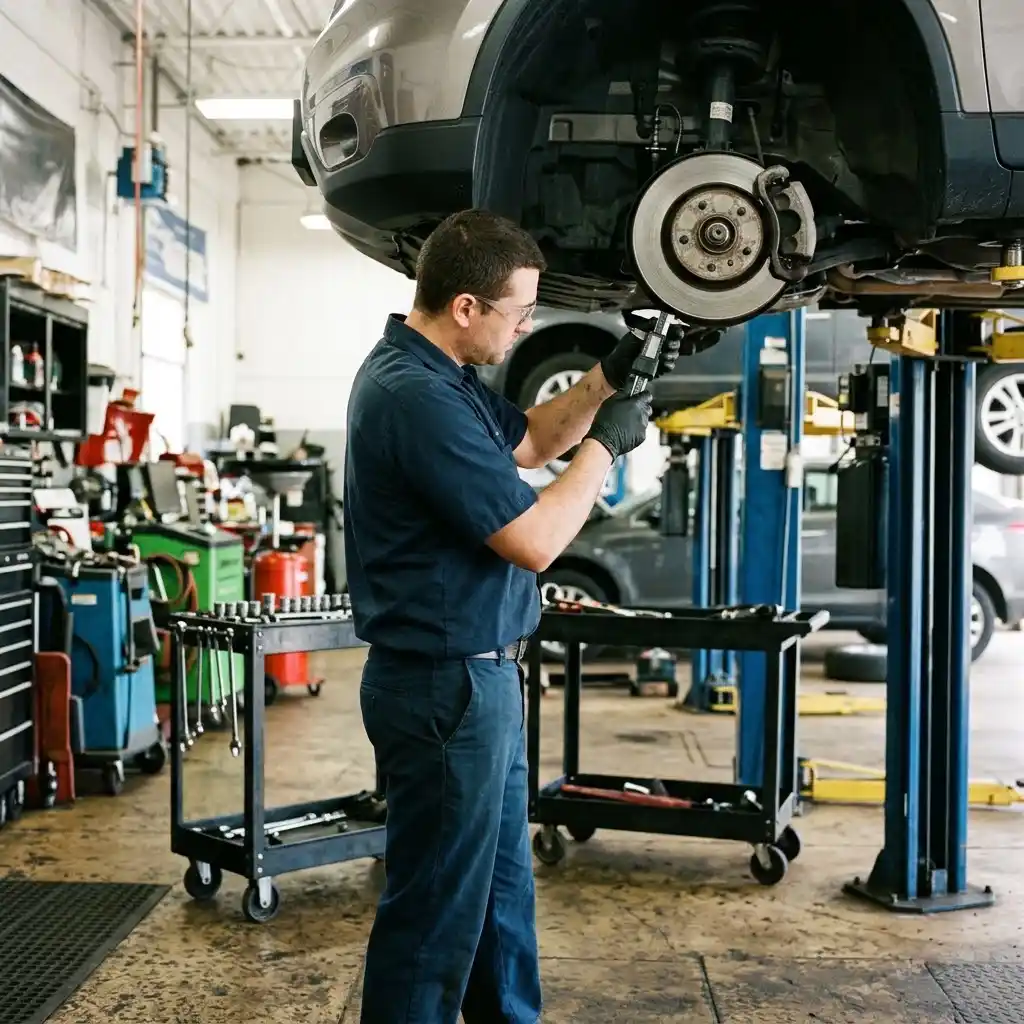
A professional brake inspection helps determine which parts are worn and which remain in good condition. Technicians can measure pad and rotor thickness, inspect rotor surfaces, check caliper operation, and test brake fluid for contamination.
ATL Total Car Care provides brake pad replacement, rotor resurfacing and replacement, brake fluid exchange, and caliper, hose, and brake line inspections. These services help address the underlying cause rather than simply treating the most noticeable symptom.
Why Professional Brake Inspection Matters for New Brakes
Replacing New Brakes pads may seem like a straightforward maintenance task, but safe braking depends on several components working together. Incorrect installation, overlooked rotor damage, or an undiagnosed hydraulic problem can leave your vehicle with continued braking issues.
Professional technicians have the equipment and experience to inspect the complete system. They can recommend suitable ceramic or semi-metallic brake pads, evaluate rotor condition, and identify problems that may not be obvious during a basic visual check.
ATL Total Car Care in Murfreesboro uses ASE-certified technicians to inspect and service braking systems. The team focuses on explaining inspection findings clearly, providing written estimates, and recommending repairs based on the vehicle’s actual condition. This helps drivers understand what needs attention before approving any work.
For Murfreesboro drivers, regular inspections are especially useful because frequent braking in traffic can increase wear. A visual brake check during routine maintenance, such as an oil change, can help identify developing problems. A more detailed inspection at least once a year is also a sensible maintenance practice.
An Illustrative Example: Recognizing Brake Trouble Early
Imagine a Murfreesboro driver who begins hearing a faint squealing sound while braking near Memorial Boulevard. At first, the noise seems minor, so the driver continues using the vehicle. A few days later, the sound becomes louder, and the car starts taking longer to stop.
During a professional inspection, the technician discovers that the brake pads have worn significantly and the rotors also need attention. By arranging service promptly, the driver can address the problem before continued wear causes more extensive damage.
This illustrative situation shows why unusual brake noises and changes in stopping performance deserve attention. Waiting for a more obvious warning can increase the risk of unsafe driving conditions.
When Should You Schedule Brake Service?
You should arrange a brake inspection whenever you notice persistent squealing, grinding, pedal vibration, longer stopping distances, a soft pedal, or pulling during braking. Do not wait for several symptoms to appear together.
If your brake warning light illuminates, consult your vehicle manual and have the system checked. If braking becomes unreliable, the pedal sinks, or you suspect a fluid leak, do not continue driving. Arrange professional assistance.
For dependable brake service in Murfreesboro, ATL Total Car Care can inspect your pads, rotors, brake fluid, calipers, hoses, and lines to determine what your vehicle needs.
Frequently Asked Questions
How do I know if I need new brake pads?
Persistent squealing, grinding, reduced stopping performance, and visibly thin brake pads can indicate that replacement is necessary. A professional inspection can confirm their condition.
How long do brake pads usually last?
Brake pad life varies depending on driving habits, traffic conditions, vehicle weight, pad material, and maintenance. Frequent stop and go driving can cause faster wear, so regular inspections are important.
Can I drive with worn brake pads?
Driving with worn brake pads is dangerous because braking performance may decrease. If you hear grinding or notice that your vehicle is not stopping properly, arrange immediate professional attention.
Do I need new rotors when replacing brake pads?
Not always. Rotors may remain suitable for continued use if they meet manufacturer specifications and have no unacceptable damage. A technician should measure and inspect them before recommending resurfacing or replacement.
How often should I have my brakes inspected?
A visual inspection during routine maintenance, such as every oil change, can help identify early wear. A more detailed inspection at least once a year is also recommended, or sooner whenever warning signs appear.
Schedule Your Brake Inspection in Murfreesboro
Your braking system should never be something you take for granted. Recognizing warning signs early can help protect you, your passengers, and other road users. If your vehicle is making unusual noises, vibrating during braking, or taking longer to stop, professional attention is essential.
ATL Total Car Care provides brake pad replacement, rotor services, brake fluid exchange, and comprehensive brake inspections in Murfreesboro, TN. Their ASE certified technicians can help identify the problem and explain the repairs your vehicle needs.
Call (615) 906-3615 or visit 543 Memorial Blvd, Murfreesboro, TN 37129, to schedule your brake inspection and keep your vehicle stopping safely.