

If you own a car, you’ve probably heard different answers to one simple question: How often should you really change your oil?
Some say every 3,000 miles, others say 10,000 miles or more. The truth is, it depends on your vehicle, oil type, and driving habits. Understanding the right schedule can save your engine and your wallet.
Change Your Oil, IT Matter More Than You Think
Engine oil is like the lifeblood of your car. It:
- Lubricates engine parts
- Reduces friction and heat
- Prevents sludge buildup
- Keeps the engine running smoothly
Over time, oil breaks down and loses effectiveness, which can lead to engine wear and expensive damage if ignored.
That’s why regular oil changes are one of the most important maintenance tasks for any vehicle.
The Old 3,000-Mile Rule (Is It Still True?)
You’ve likely heard the “change your oil every 3,000 miles” rule, but modern engines have changed the game.
Today, most vehicles can safely go:
- 5,000 to 7,500 miles on conventional oil
- 7,500 to 10,000+ miles on full synthetic oil
Advancements in engine technology and oil quality have made longer intervals possible without harming performance.
So yes, the old rule is mostly outdated for modern cars.
What Actually Determines, Frequency of Change Your Oil ?
There is no one-size-fits-all answer. Your oil change schedule depends on several key factors.
1. Type of Oil You Use
- Conventional oil: 3,000–5,000 miles
- Synthetic blend: 5,000–8,000 miles
- Full synthetic: 7,500–10,000+ miles
Synthetic oil lasts longer and performs better under extreme conditions.
2. Driving Habits
Your driving style affects oil life more than most people realize.
Severe driving conditions include:
- Short trips under 10 miles
- Heavy traffic (stop-and-go driving)
- Towing or hauling loads
- Extreme heat or cold
These conditions can break down oil faster, requiring more frequent changes.
3. Vehicle Age and Condition
Older engines often need more frequent oil changes due to:
- Wear and tear
- Higher oil consumption
- Less efficient sealing
Newer vehicles may include oil-life monitoring systems that tell you exactly when to change it.
4. Manufacturer Recommendations
The safest rule is simple:
Always follow your owner’s manual.
Most manufacturers recommend oil changes around 5,000 to 7,500 miles or every 6–12 months, whichever comes first.
Time vs Mileage: Which One Matters More?
Even if you don’t drive much, oil still breaks down over time.
That means:
- Low mileage drivers still need oil changes at least once or twice a year
- Oil can degrade even when the car is parked for long periods
A common rule used by mechanics is:
Change oil every 6 months or 5,000–7,500 miles, whichever comes first
Warning Signs You Need an Oil Change
Don’t rely only on mileage. Watch for these signs:
- Engine noise or knocking sounds
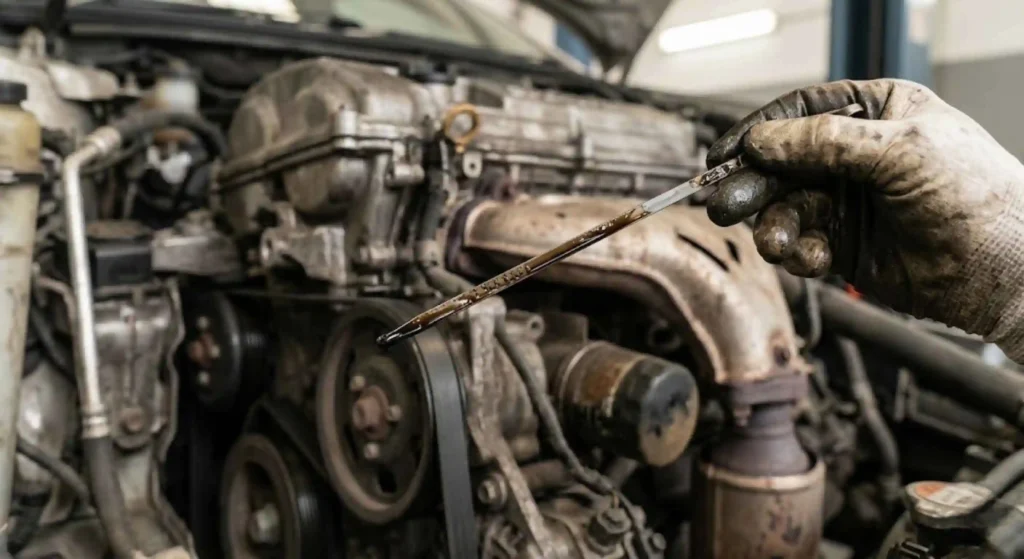
- Dark or dirty oil on dipstick
- Oil change or check engine light
- Reduced fuel efficiency
- Burning smell from engine
These symptoms often mean your oil is no longer protecting your engine properly.
What Happens If You Wait Too Long?
Delaying oil changes can lead to:
- Sludge buildup inside the engine
- Overheating
- Reduced engine performance
- Expensive engine damage or failure
Skipping oil changes might save money short-term, but it can cost thousands in repairs later.
Simple Rule to Follow (Easy Guide)
If you want a no-stress answer:
- Normal driving + synthetic oil: every 7,500–10,000 miles
- City driving or harsh conditions: every 5,000 miles
- Low mileage drivers: every 6 months
Final Thoughts
So, how often should you really change your oil? The answer is not fixed, but it is clear:
Most modern vehicles do best with oil changes every 5,000–7,500 miles or 6 months, depending on driving conditions and oil type.
The key is consistency. Regular oil changes are one of the cheapest ways to protect your engine and keep your car running for years.
Call to Action
If you’re unsure when your last oil change was, don’t risk engine damage. Schedule a professional oil change service today and keep your vehicle running smoothly, efficiently, and safely. Call now or book an appointment to protect your engine before small issues turn into costly repairs.